Page 1 of 3

PostPosted: Sun Nov 16, 2008 10:15 pm
by Ian Warren


January 10th 1938 No.25 sqn Fury 2,s , the last Hawker biplane to enter service with the Royal Air Force on exercise with it lesser
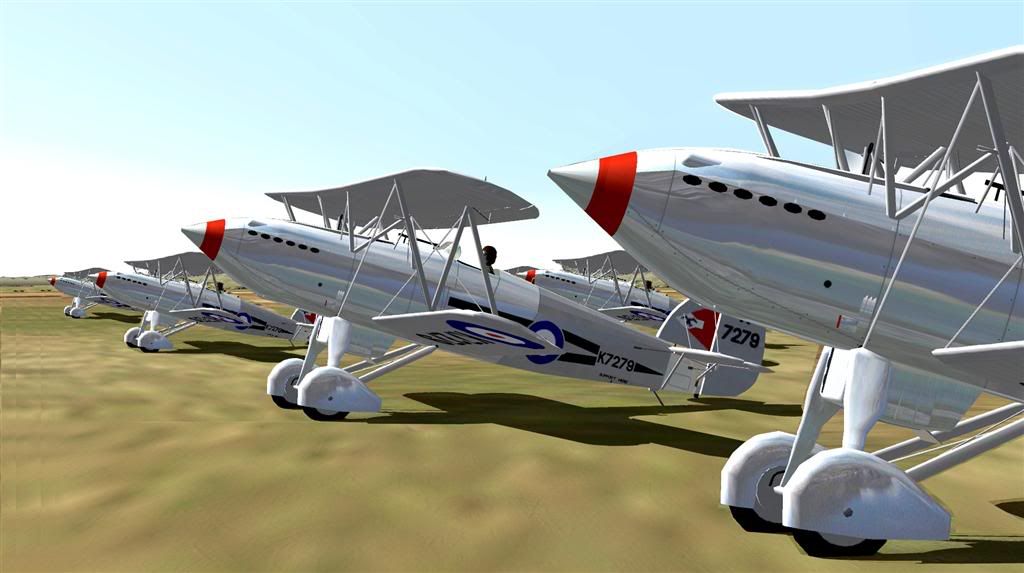
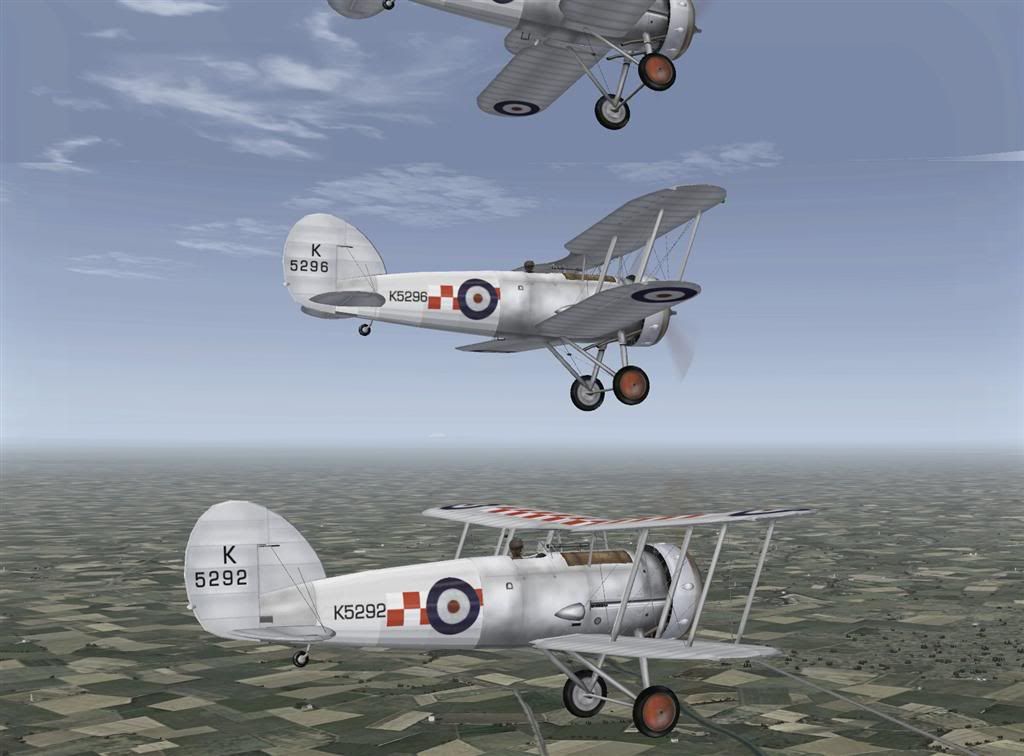
and its contemporary the Gloster Gauntlet , both now getting more used as advanced trainers for the new single seat monoplanes
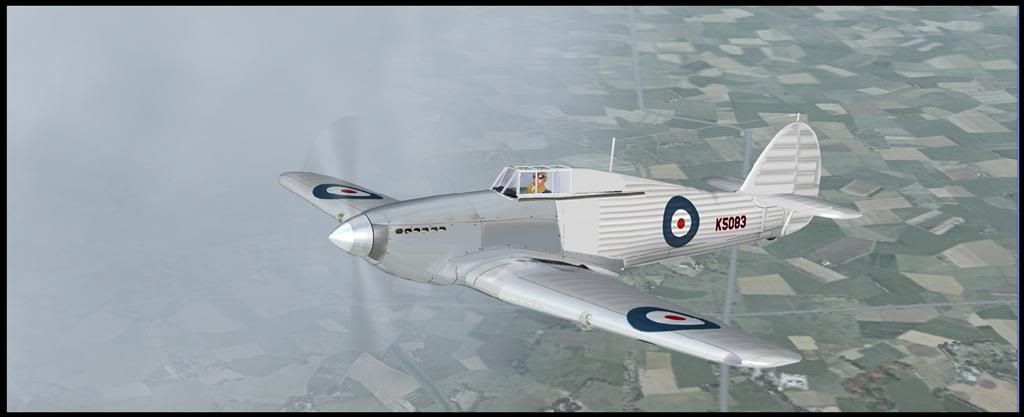
The Hawker Hurricane , prototype first flew in 1935
and the Supermarine Spitfire which first flew in 1936
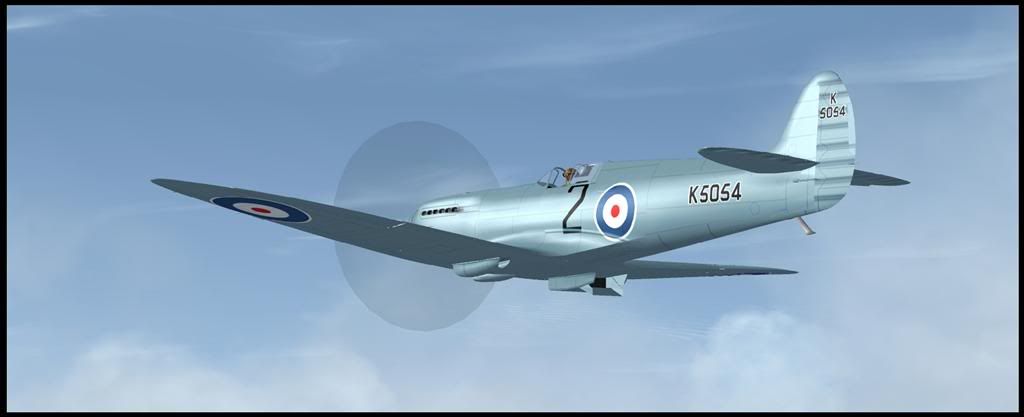
PostPosted: Sun Nov 16, 2008 10:32 pm
by Charl
Mmm...you'll have to give us a little time to dust off the canvas and dope here...good thought, Ian!

PostPosted: Sun Nov 16, 2008 10:38 pm
by Naki
Great stuff Ian... have to think what I can contribute (Gloster Gladiator, P-36??)

PostPosted: Mon Nov 17, 2008 12:13 am
by Ian Warren
January it still is

Charl wrote:
QUOTE (Charl @ Nov 16 2008, 11:32 PM) <{POST_SNAPBACK}>
Mmm...you'll have to give us a little time to dust off the canvas and dope here...

The canvas and start polishing the metal

Naki wrote:
QUOTE (Naki @ Nov 16 2008, 11:38 PM) <{POST_SNAPBACK}>
Great stuff Ian... have to think what I can contribute (Gloster Gladiator, P-36??)

Guys , I guess we have just 'woken a sleeping giant '

We must not forget our Commercial Operators smile.gif

PostPosted: Mon Nov 17, 2008 8:59 am
by ardypilot
Awesome idea Ian- I can see this thread becoming as legendary as the ole' Cold War one.

Tell ya what, I'll even pin it at the top of the sub forum so everyone remembers to add their own pics here, I've got plenty of ideas after all the WW2 memorabilia I've been exposed to over in Europe this year!

PostPosted: Sat Nov 22, 2008 10:21 am
by Ian Warren
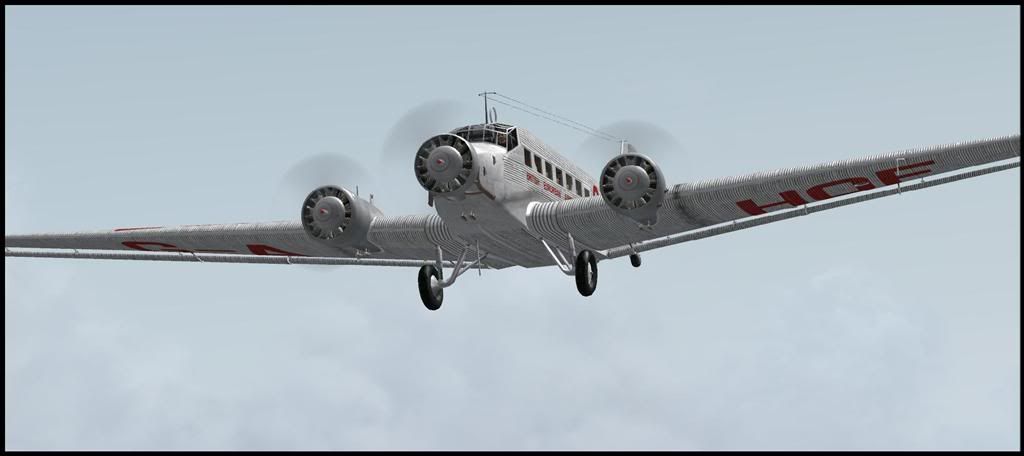
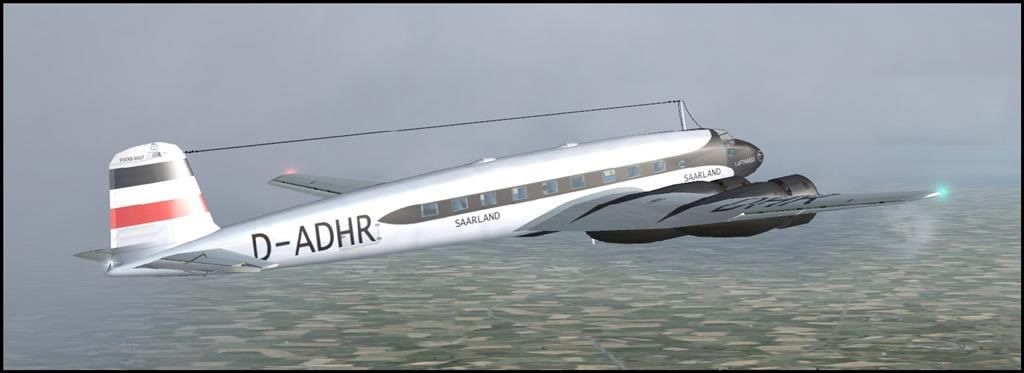
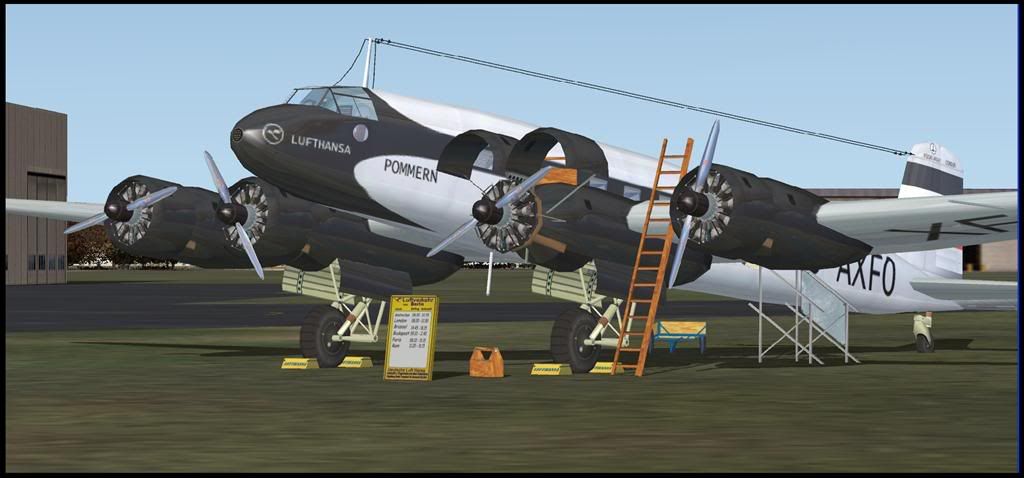
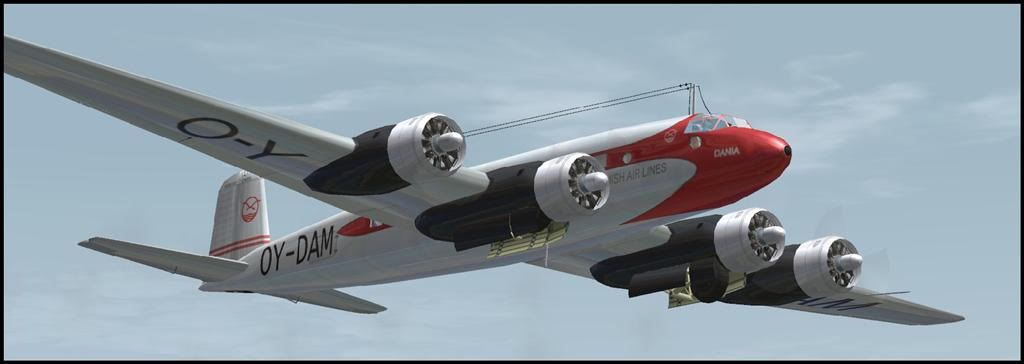
Early 1938 , the Focke-Wulf FW200 Condor was starting to prove itself as a long range transport , with european operators from Finland and Denmark

and with Lufthansa and after a long range flight later that year , Japan was showing interest .

aerodynamiclly was looking ahead of its time , it had the range but lacking in power

A maritime patrol aircraft maybe ? for the Luftwaffe

PostPosted: Sat Nov 22, 2008 11:54 am
by creator2003
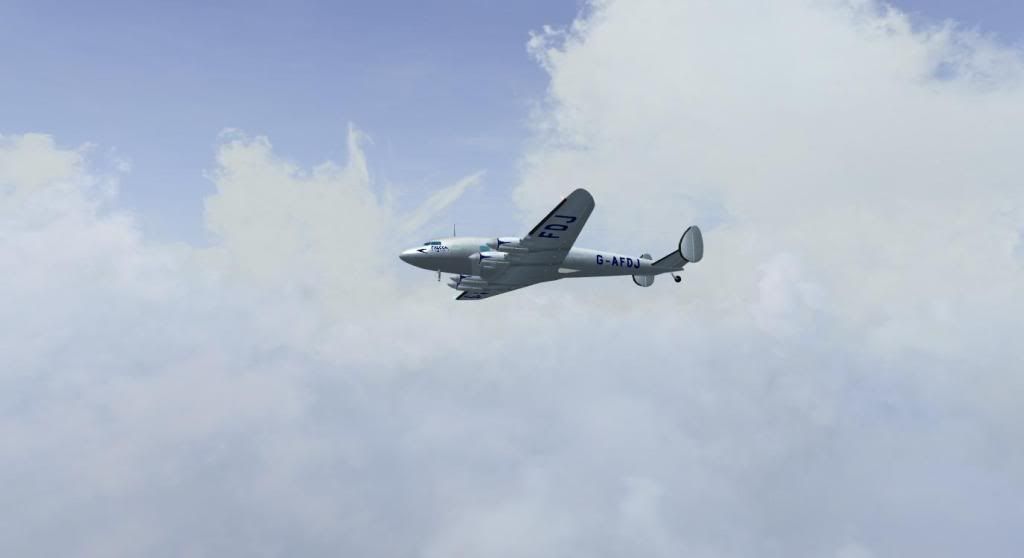
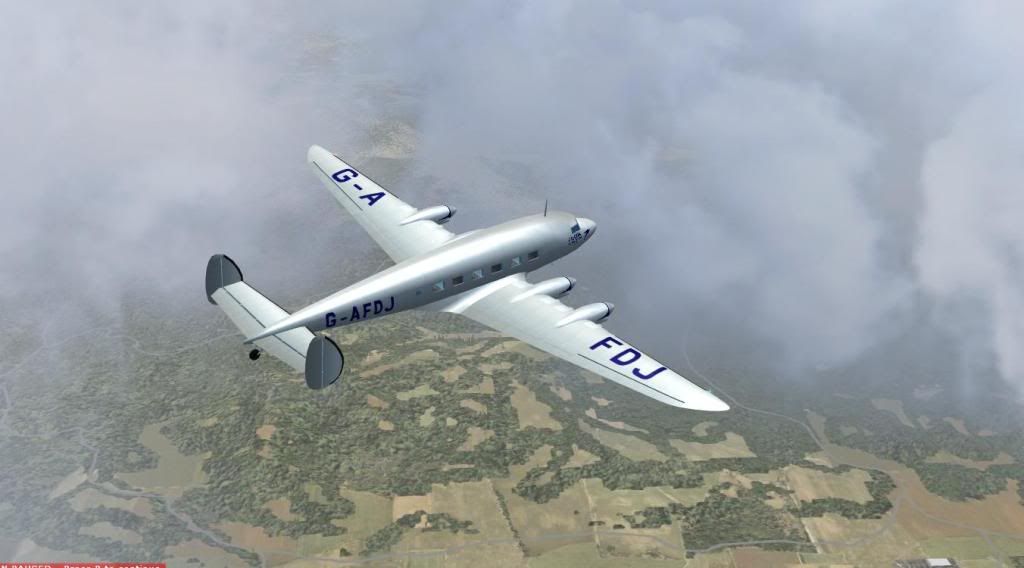
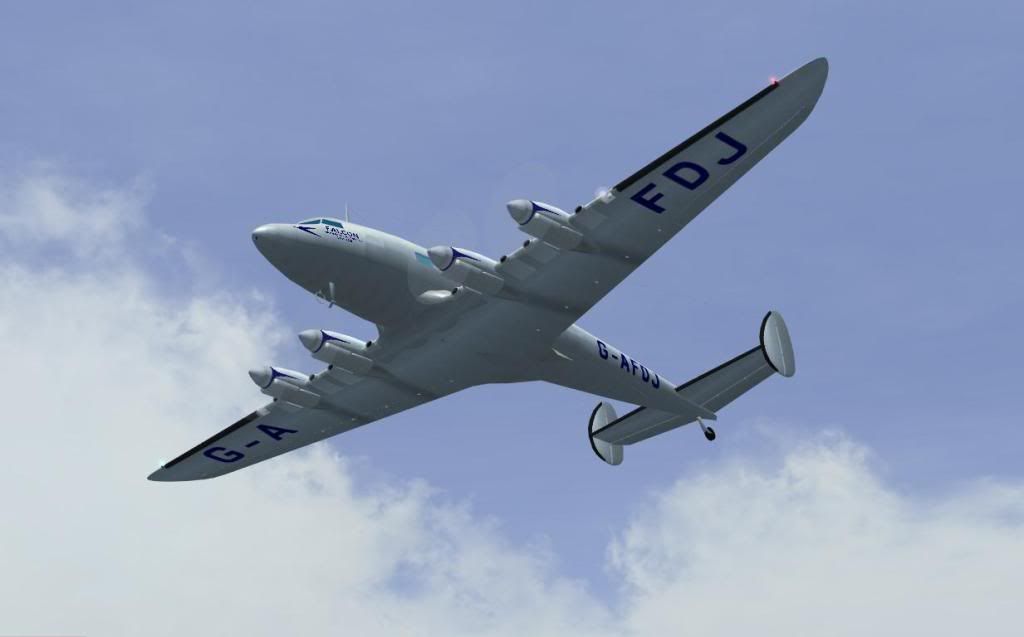
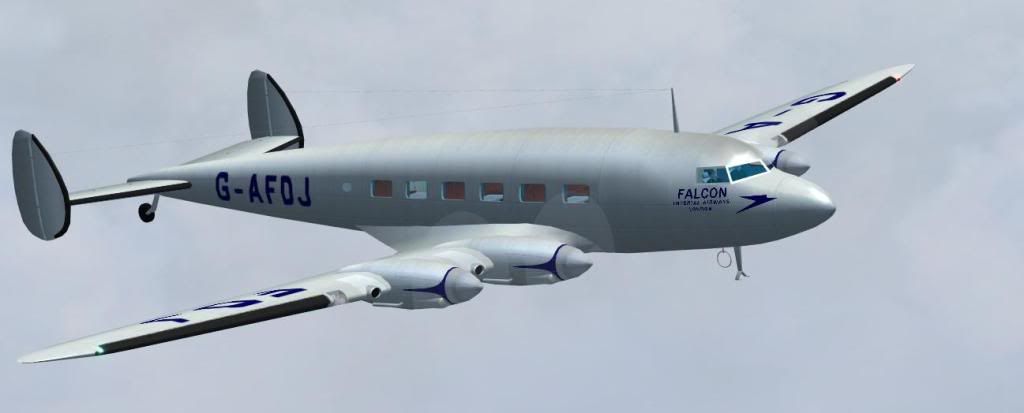
De Havilland DH.91 Albatross. A beautiful, 4-engined British airliner of 1938, used by Imperial Airways and BOAC.


not sure about much with this aircraft apart from what the avsim info had, ive been looking for aircraft of this era for days now that work in fsx ,,this one does just ..

PostPosted: Sat Nov 22, 2008 12:13 pm
by Ian Warren
A real period srceen ....Now I start seeing a build up , I wonder Mike , was Neville Chamberlain on board unsure.gif

PostPosted: Sat Nov 22, 2008 12:21 pm
by Naki
That Mike is IMO the best looking piston prop liner ever made - the war interferred so not many were built unfortunatley

PostPosted: Sun Nov 23, 2008 12:12 pm
by Ian Warren
Naki wrote:
QUOTE (Naki @ Nov 22 2008, 01:21 PM) <{POST_SNAPBACK}>
the best looking piston prop liner ever made -

Many say the Lockheed 049 Constellation was a direct copy least in plan form of the De Havilland DH.91 Albatross , making the most know of design debates of the time , this could possibly be said about the proposed Excalibur L-44 the early Connie , all pre war airline and company politics .

PostPosted: Sun Nov 23, 2008 5:27 pm
by Charl
Ian Warren wrote:
QUOTE (Ian Warren @ Nov 23 2008, 01:12 PM) <{POST_SNAPBACK}>
Many say the Lockheed 049 Constellation was a direct copy least in plan form of the De Havilland DH.91 Albatross , making the most know of design debates of the time , this could possibly be said about the proposed Excalibur L-44 the early Connie , all pre war airline and company politics .

Condor...Albatross...those guys all went to the same club lunches alright.
The DH is truly graceful.

Came across this Wiki Linkwhich may prove useful in this thread

PostPosted: Sun Nov 23, 2008 7:54 pm
by Ian Warren
Charl wrote:
QUOTE (Charl @ Nov 23 2008, 06:27 PM) <{POST_SNAPBACK}>
Condor...Albatross...those guys

The Hawk ... the Falcon .. and the Wiki Link which will prove very handy , what even happen to the Chicken tongue.gif

PostPosted: Mon Nov 24, 2008 8:24 am
by Charl
Completely off topic, but not, if you get my meaning...A delightfully British WWII tidbit.
Early Merlins were at a disadvantage in that German planes could pull negative G because they were fuel-injected.
Spits had to half-roll into positive G, by which time the 109 was gone.
What was the workaround called, that fixed the problem?

PostPosted: Mon Nov 24, 2008 12:56 pm
by Ian Warren
Charl wrote:
QUOTE (Charl @ Nov 24 2008, 09:24 AM) <{POST_SNAPBACK}>
Early Merlins were at a disadvantage in that German planes could pull negative G because they were fuel-injected.
Spits had to half-roll into positive G, by which time the 109 was gone.

What was the workaround called, that fixed the problem?

what a doosey , Charl - good question , I recall the Merlin 60/61 being the first real fix , after Dieppe raid August 1942 was debut or first scare with the FW190 , the model being a Mk9

Some research required for the actual answer unsure.gif

PostPosted: Mon Nov 24, 2008 4:51 pm
by Alfashark
Charl wrote:
QUOTE (Charl @ Nov 24 2008, 09:24 AM) <{POST_SNAPBACK}>
Completely off topic, but not, if you get my meaning...A delightfully British WWII tidbit.
Early Merlins were at a disadvantage in that German planes could pull negative G because they were fuel-injected.
Spits had to half-roll into positive G, by which time the 109 was gone.
What was the workaround called, that fixed the problem?

What we would now-days call TBI (throttle body injection) or Single Point Injection...
Still kept the "body" of the carb on the Merlin, but instead of the fuel being sucked into the venturi throats by vacuum, it was being sprayed out one injector mounted centrally in the throat, under considerable pressure.
This eliminated the float bowl found in carbs, and the problems that occur when a float fails to lower and fill up the bowl again (think along the lines of a toilet cistern) when under low or negative G.
The injector does not pulse on and off like those on a modern car, but sprays a continuous mist, varied only by throttle postion (bit like the old Bosh K-Jetronic system found on Euro cars up until the late 80's)

The Germans favoured direct injection... injectors mounted in the cylinder heads, or very close to the head on the inlet manifold (hence 12 individual injectors) of the pulse variety, pressurised and timed by an engine driven pump (think more along the lines of a diesel)

PostPosted: Mon Nov 24, 2008 5:47 pm
by Charl
All true...but that was much later in the Merlin's life.
By then the BOB would've been lost.
The workaround fixed the problem on the early SU carb.
It was not a Final Fix, but it saved some lives.

PostPosted: Tue Nov 25, 2008 10:37 am
by Ian Warren


PostPosted: Tue Nov 25, 2008 9:18 pm
by Charl
Ian Warren wrote:
QUOTE (Ian Warren @ Nov 24 2008, 01:56 PM) <{POST_SNAPBACK}>
What was the workaround called, that fixed the problem?

what a doosey , Charl - good question , I recall the Merlin 60/61 being the first real fix , after Dieppe raid August 1942 was debut or first scare with the FW190 , the model being a Mk9

Some research required for the actual answer unsure.gif

OK I'll put y'all out of your misery!
The workaround was called:
Miss Shilling's orifice!
and involved nothing more than inserting a washer into the carb throat to prevent excessive negative surge.
Tilly Shilling was a young engineer working at the RAE who came up with this disarmingly simple solution.
Miss Shilling with a small team travelled around the countryside in early 1941 fitting the restrictors, giving priority to front-line units.
Read more at the Wiki item

PostPosted: Tue Nov 25, 2008 11:43 pm
by creator2003
QUOTE
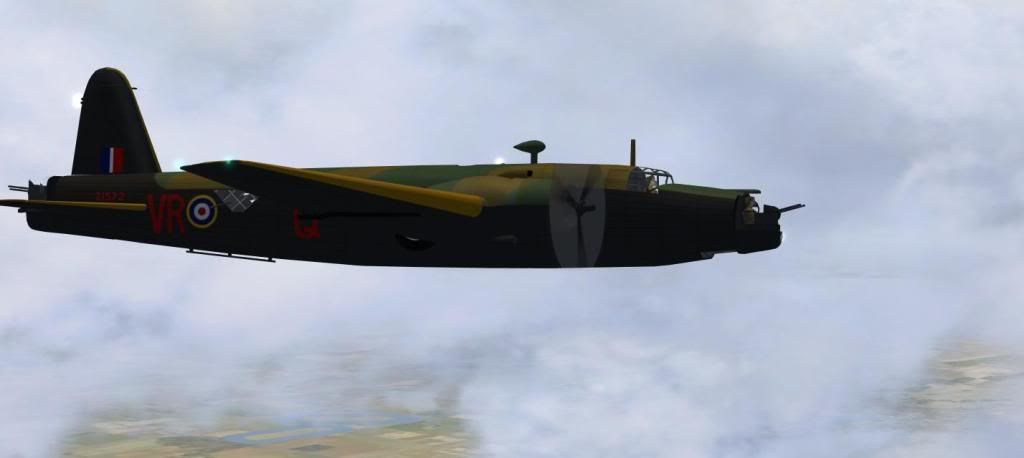
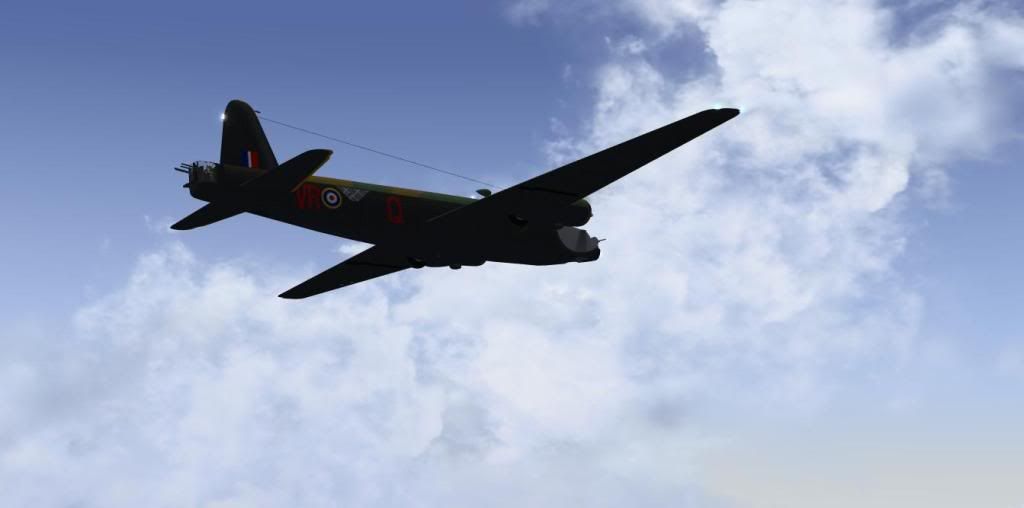
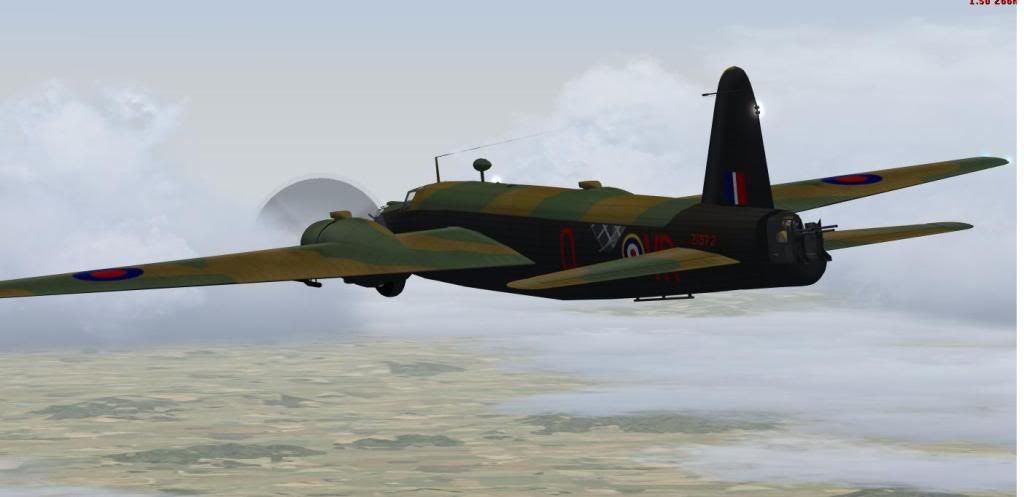
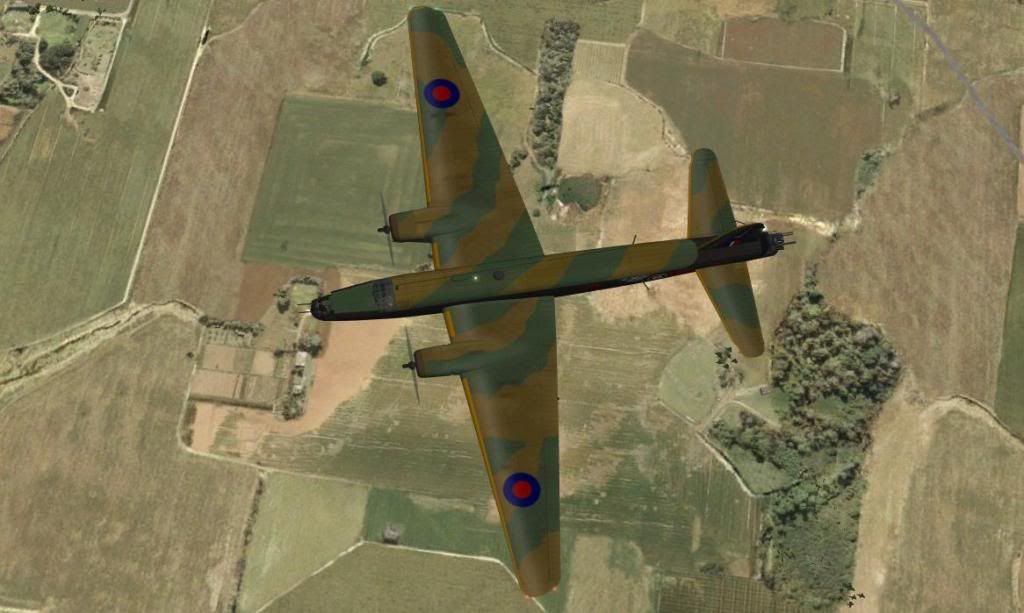
The Vickers Wellington was a British twin-engine, medium bomber designed in the mid-1930s at Brooklands in Weybridge, Surrey, by Vickers-Armstrongs' Chief Designer, R. K. Pierson. It was widely used as a night-time bomber in the early years of World War II, before being displaced as a bomber by the larger four-engined "heavies" such as the Avro Lancaster. The Wellington continued to serve throughout the war in other duties, particularly as an anti-submarine aircraft. It was the only British bomber to be produced for the entire duration of the war.[/quote] wiki link


model is a freeware fs9 model from Alphasim that i dropped in FSX and worked ok but some porting to be done if i really wanted to keep it ..

PostPosted: Wed Nov 26, 2008 1:56 am
by Ian Warren
Charl wrote:
QUOTE (Charl @ Nov 25 2008, 10:18 PM) <{POST_SNAPBACK}>
The workaround was called:and involved nothing more than inserting a washer into the carb throat to prevent excessive negative surge.
Tilly Shilling was a young engineer working at the RAE who came up with this disarmingly simple solution.
Miss Shilling with a small team travelled around the countryside in early 1941 fitting the restrictors, giving priority to front-line units.

I must check to see if there is any mention of Miss Shilling ... in writings here , great little fact ... mind boggling