
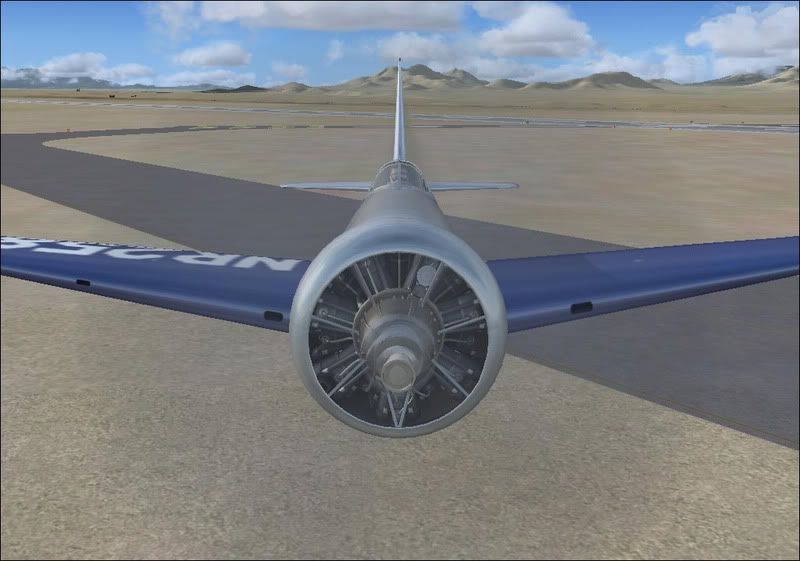
The H-1 was a racing aircraft built by Howard Hughes' company in 1935. It set a world airspeed record and a transcontinental speed record across the United States.
Many groundbreaking technologies were developed during the construction process, including individually machined flush rivets that left the aluminium skin of the aircraft completely smooth. Also it had retractable landing gear to further increase the speed of the plane.
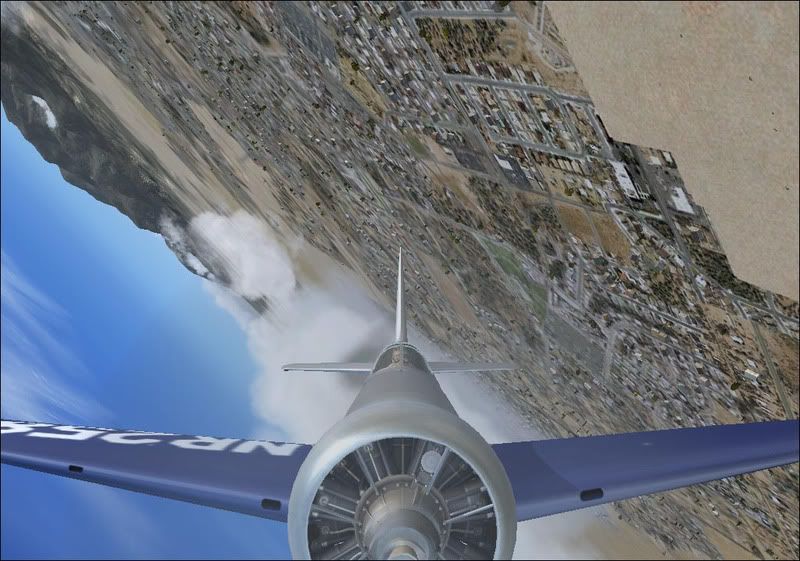
The H-1 first flew in 1935 and promptly broke the world land-plane speed record with Hughes at the controls, clocking 352 mph (566 km/h) averaged over 4 timed passes. Hughes apparently ran the plane out of fuel and managed to crash-land without serious damage to either himself or H-1. As soon as Hughes exited the plane when he crashed it in a beet field, his only comment was: "We can fix her, she'll go faster".
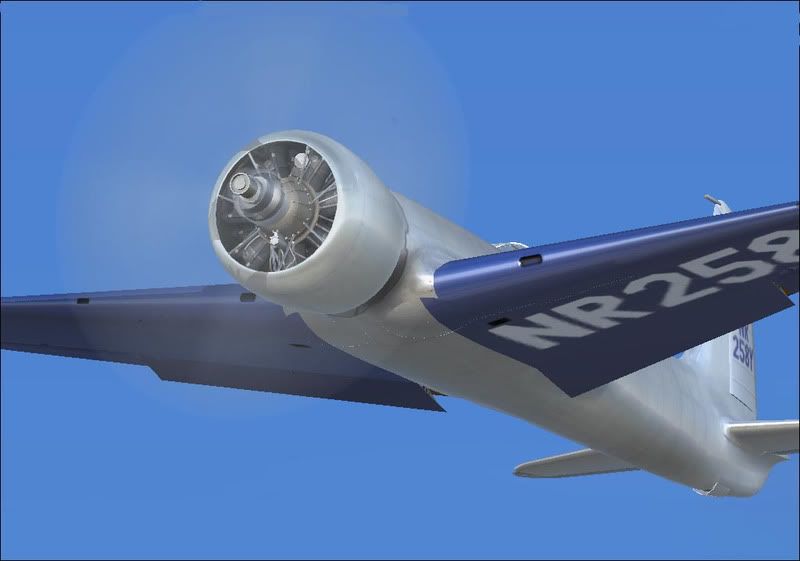
Hughes fully expected the United States Army Air Forces to embrace his plane's new design and make the H-1 the basis for a new generation of U.S. fighter planes. However, for reasons that are obscure, this did not happen.
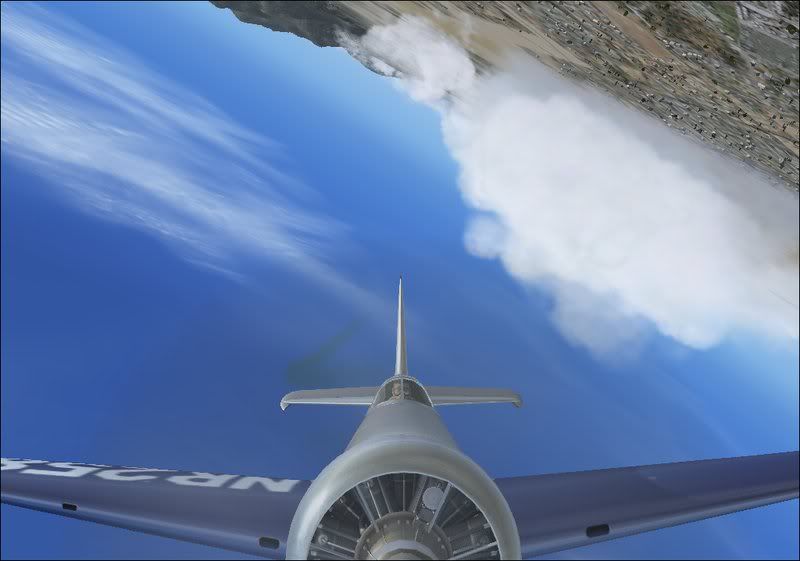
After the war, Howard Hughes claimed that "it was quite apparent to everyone that it the Japanese Zero had been copied from the Hughes H-1 Racer
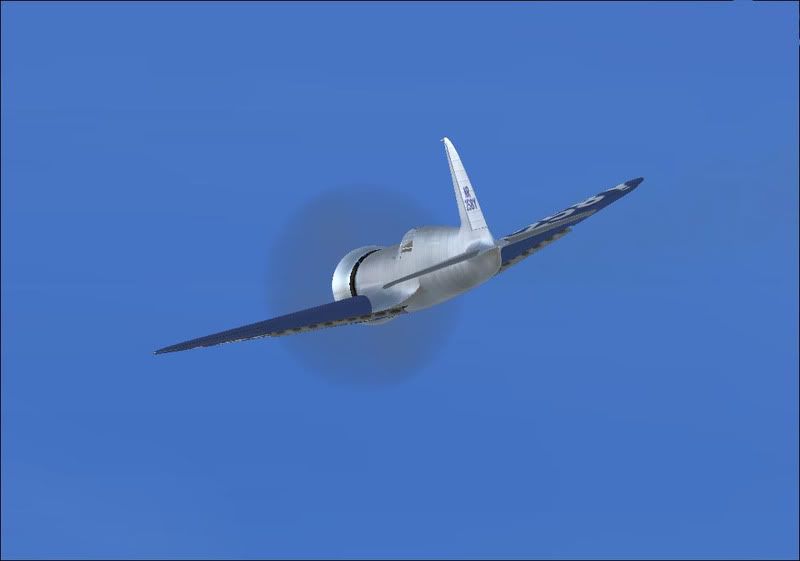
The original H-1 Racer was donated to the Smithsonian in 1975 and is on display at the National Air and Space Museum.
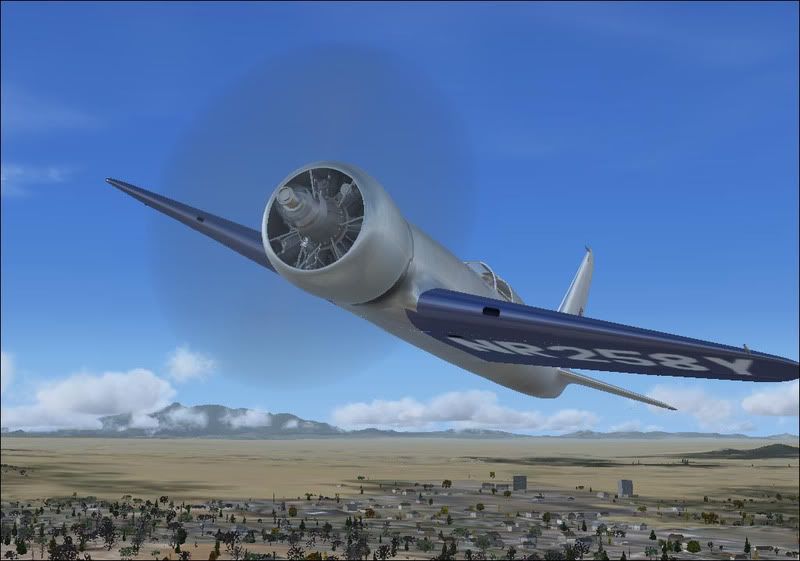
The H-1 Racer was the last plane built by a private individual to set the world speed record; every aircraft to hold the honor since was designed by military forces.
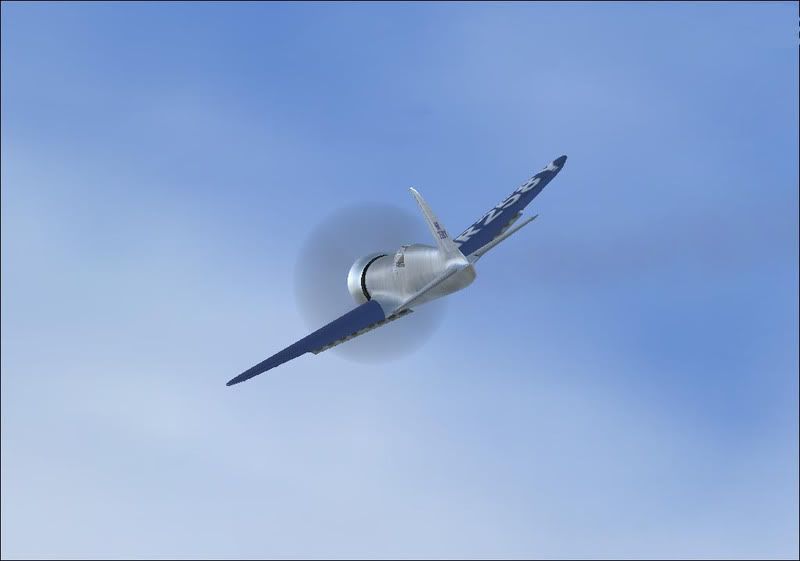
A replica of the H-1 was built by Jim Wright of Cottage Grove, Oregon, and first flew in 2002. The replica was destroyed in a crash on August 4, 2003, killing Wright.











 I hav'nt seen the movie


 oh o .... this could hurt